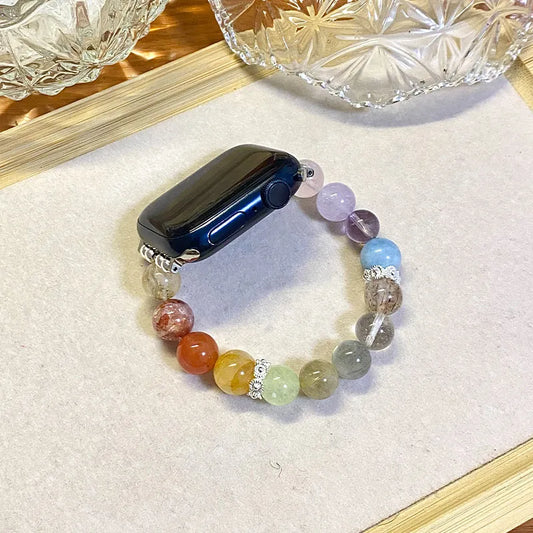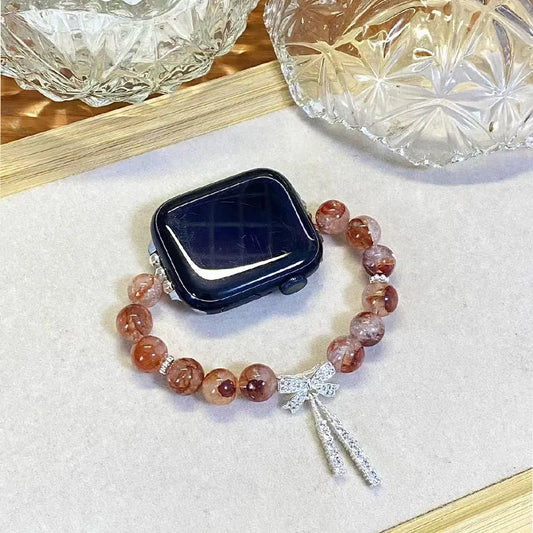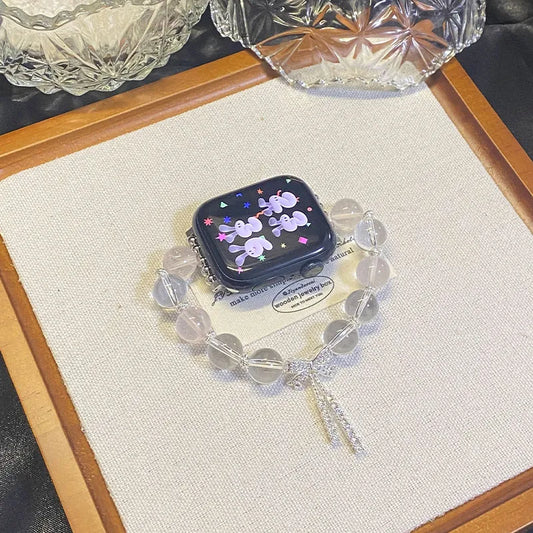
There’s something timeless about the click of a metal band on your wrist.
It turns a smartwatch into a real watch — solid, confident, maybe even a little bold.

But metal bands also have their quirks, and not every wrist will fall in love at first wear.
Let’s take a closer look at what really makes them shine — and where they might fall short.
Why People Love Metal Bands
For many Apple Watch users, a metal band is a quiet upgrade — the kind that changes how the watch feels, not just how it looks.
The smooth weight, the cool touch, the way light plays on brushed steel or matte titanium — it’s a subtle luxury that leather or silicone can’t quite imitate.

Metal also feels reassuringly strong. You can wear it to a meeting or a dinner without thinking twice. It matches everything, ages gracefully, and doesn’t mind getting caught in a bit of rain.
In short, it’s built for real life — not just workouts or weekends.
Where Metal Shows Its Limits
Of course, every material has its trade-offs. Metal is heavier than silicone or leather, and you’ll notice that on long days. Some people love that sense of presence — others find it tiring.
It also reacts to temperature.
Step outside on a cold morning and the band might feel icy against your skin;
in summer, it can warm up faster than you’d like.
And because metal isn’t flexible, a perfect fit requires adjusting links or choosing the right size carefully — something not every buyer wants to deal with.
The Comfort and Allergy Reality
High-quality stainless steel (316L) or titanium bands are generally hypoallergenic.
Avoid bands with cheap nickel coatings — they’re often the culprits behind rashes or redness.
If you’ve ever reacted to metal jewelry, it’s worth reading the fine print before you buy. Look for words like “surgical-grade,” “titanium,” or “nickel-free.”
And if a brand doesn’t say what metal they use — that’s already an answer.
Fit, Feel, and Everyday Use
Metal bands don’t bend, which means comfort depends on fit. Too tight, and it pinches; too loose, and it slides and clinks.
Getting the size right — whether through adjustable links or Milanese loops — makes all the difference.
Another small but real issue: hair. Link-style bands can tug on arm hair if the spacing isn’t smooth.

Premium bands solve this with tighter tolerances and rounded edges — details that matter if you wear your watch all day.
At a Glance: Pros and Cons of Metal Bands
| Pros | Cons |
|---|---|
| Durable and long-lasting — built to handle everyday wear | Heavier than silicone or leather options |
| Elegant, professional look that fits any occasion | Can feel cold in winter and warm in summer |
| Hypoallergenic options available (titanium, 316L stainless steel) | Low-quality alloys may cause skin irritation |
| Easy to clean — no odor, no sweat absorption | Link bands may pinch or pull arm hair if poorly designed |
| Can outlast multiple Apple Watch generations | Requires precise sizing or link adjustment for comfort |
The Cost Question
Good metal bands aren’t cheap.
Stainless steel costs more than silicone; titanium even more so. But they last.
A well-made band can outlive your current Apple Watch and follow you to the next model — a kind of quiet sustainability that just makes sense over time.
Buying Online — What Really Matters
When you can’t try it on, small details become big decisions.
Focus on three things: material transparency, fit adjustability, and return policy. A brand that clearly states what alloy they use — and lets you resize or return easily — is already showing they care about your experience.
Photos can be deceiving; the real test is whether the brand tells you how the band feels, not just how it looks.
If they describe the texture, weight, or finish, they’ve probably held it in their hands.
Final Thoughts
Metal Apple Watch bands are not for everyone — and that’s exactly what makes them special.
They bring a sense of permanence to a device that’s always changing.
If you value texture, durability, and that subtle click of precision, a metal band might be the perfect match.
And if you’re still unsure, explore a few styles and materials.
The right one won’t just look good — it’ll feel like it belongs on your wrist.
FAQs
1. Are metal watch bands durable?
Yes, metal watch bands are highly durable and can withstand daily wear and tear better than most other materials. They are resistant to scratches, dents, and moisture.
2. Can metal watch bands cause skin irritation?
While many metal bands are hypoallergenic, some individuals may still experience skin irritation, especially if the band contains nickel or is made from lower-quality metal. Choosing high-grade materials can minimize this risk.
3. Are metal watch bands comfortable to wear?
Comfort can vary based on personal preference. Metal bands can be heavier and may require proper adjustments to fit well. Some users might find them less comfortable due to their weight and potential to pinch the skin.
4. How do I maintain a metal watch band?
Metal watch bands are easy to maintain. They can be cleaned with a damp cloth or washed with mild soap and water. Regular cleaning can help keep them looking new and prevent any build-up of dirt or sweat.
5. Are metal watch bands suitable for all occasions?
Yes, metal watch bands are versatile and can be worn for both casual and formal occasions. Their elegant appearance makes them suitable for a wide range of settings.